
What Is the RF Test?
The RF Test, or Rheumatoid Factor test, is a simple blood test. It checks for rheumatoid factor, a protein made by your immune system. Doctors often use the RF Test to help diagnose rheumatoid arthritis. However, it can also point to other health problems. The RF Test is common and safe. Many people have questions about why it is done and what the results mean.
Why Is the RF Test Done?
Doctors order the RF Test for several reasons. Most often, it helps find out if you have rheumatoid arthritis. This is a disease where your immune system attacks your joints. Sometimes, the test is used to check for other autoimmune diseases. These are conditions where your body attacks itself by mistake. In some cases, the RF Test helps explain joint pain, swelling, or stiffness.
According to the CDC, early testing can help manage symptoms and prevent joint damage.
How Is the RF Test Performed?
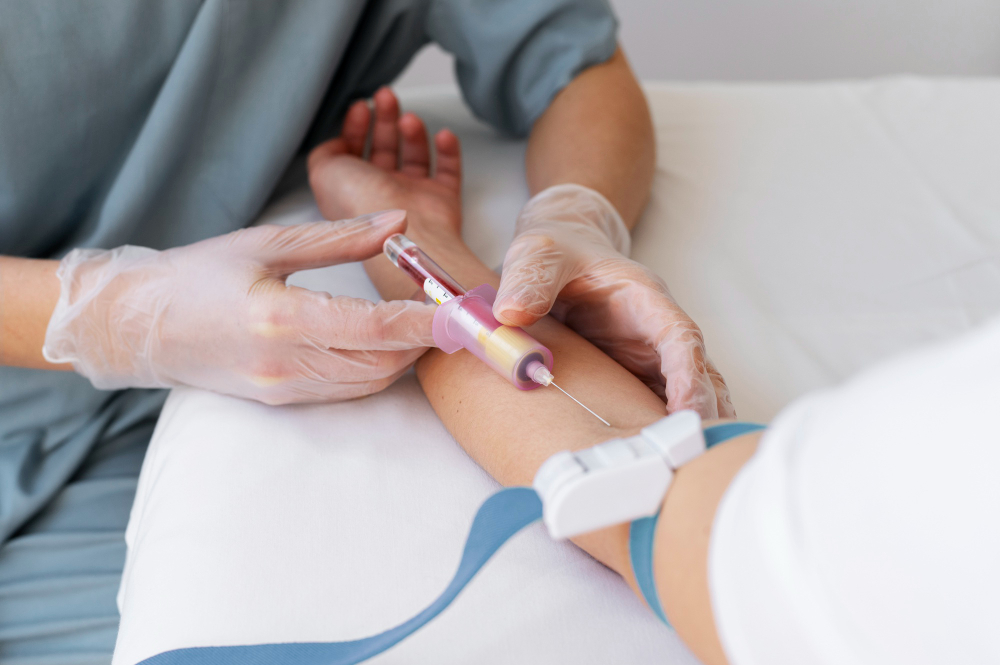
The RF Test is quick and easy. A nurse or technician will draw a small amount of blood from your arm. You do not need to fast or do anything special before the test. However, it helps to wear a short-sleeved shirt for easy access. The blood sample goes to a lab for testing. Results are usually ready in a few days.
Most people feel only a quick pinch. After the test, you can return to your normal activities right away.
Understanding RF Test Results
RF Test results show the amount of rheumatoid factor in your blood. The results are usually given in units per milliliter (IU/mL). Normal levels are usually less than 14 IU/mL, but this can vary by lab. Your doctor will explain your results in detail.
It is important to remember that one test alone cannot confirm a diagnosis. Doctors use your symptoms, exam, and other tests to make a final decision.
Symptoms and Conditions Linked to Abnormal RF Levels
High RF levels are most often linked to rheumatoid arthritis. However, other conditions can also cause high RF. Some people with high RF never develop any disease. Common symptoms that may lead to an RF Test include:
Besides rheumatoid arthritis, high RF can be seen in:
Not everyone with these symptoms will have high RF. Likewise, not everyone with high RF will have a disease.
Risks and Limitations of the RF Test
The RF Test is very safe. Risks are minor and include slight pain or bruising where the blood is drawn. Rarely, infection can occur. However, the test has some limits. For example, some healthy people have high RF. Also, some people with rheumatoid arthritis have normal RF. Because of this, the RF Test is just one part of the diagnosis.
According to the WHO, doctors should use the RF Test along with other exams and lab tests.
When Should You Consult a Doctor?
If you have joint pain, swelling, or stiffness, you should talk to your doctor. Early testing can help find the cause and start treatment sooner. If your RF Test is abnormal, your doctor will explain what it means for you. Sometimes, more tests are needed to confirm a diagnosis.
Conclusion
The RF Test is a helpful tool for finding the cause of joint pain. It can point to rheumatoid arthritis or other conditions. However, it is not perfect and should be used with other tests. If you have questions about your RF Test results, consult a healthcare professional for personalized advice.