
What Is a Fever Profile?
A fever profile is a group of blood tests that help doctors find the cause of a fever. When you have a fever that lasts several days, a fever profile can give important clues. This test checks for infections and other health problems. Often, doctors use a fever profile to guide treatment and make sure you get the right care. Because fever can have many causes, a fever profile helps narrow down the options.
Common Symptoms That Lead to a Fever Profile Test
Doctors may suggest a fever profile test if you have certain symptoms. These symptoms often last more than a few days. For example, you may notice:
Sometimes, you may also have stomach pain, vomiting, or diarrhea. If these symptoms do not improve, a doctor may recommend a fever profile blood test. This helps find the cause and guides the next steps.
Causes and Conditions Investigated by a Fever Profile
A fever profile looks for many possible causes of fever. For instance, it can check for:
Because fever can signal many illnesses, a fever profile helps doctors rule out or confirm certain conditions. This way, you get the right treatment sooner.
How Fever Profile Tests Are Performed
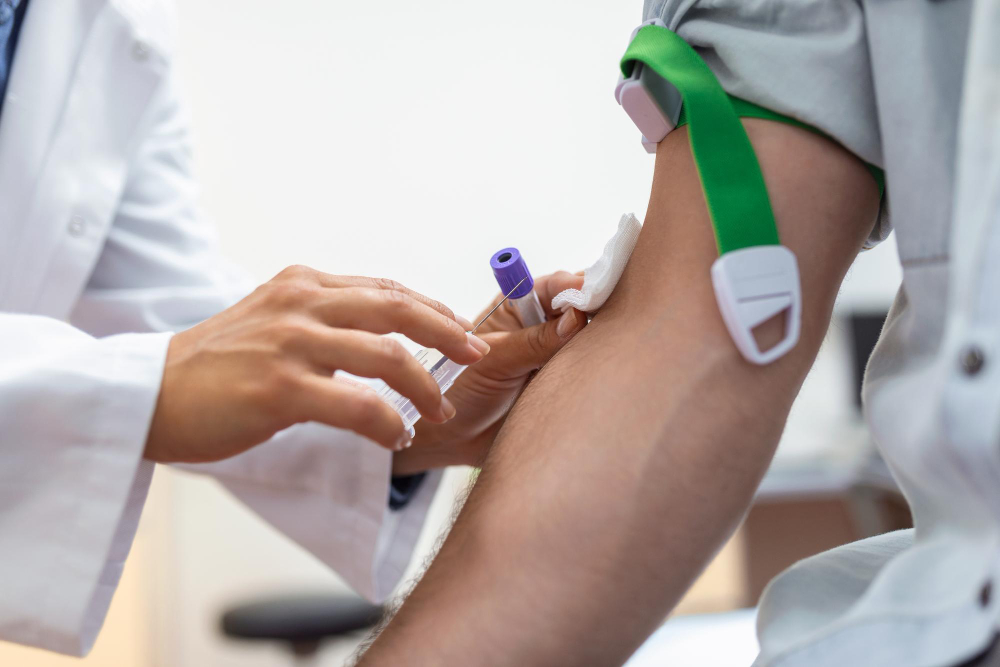
Doctors usually order a fever profile blood test at a clinic or hospital. First, a nurse or technician will take a small sample of your blood. Next, the sample goes to a lab for testing. The fever profile may include:
Most tests are quick and safe. After the blood draw, you can return to your normal activities. Results are usually ready within a day or two.
Interpreting Fever Profile Results
Once your results are ready, your doctor will review them with you. Sometimes, the results show a clear cause, like a specific infection. Other times, more tests may be needed. For example, if the fever profile suggests a viral infection, your doctor may not need to order more tests. However, if results are unclear, further testing may be required. Always ask your doctor to explain your results in simple terms.
Treatment and Next Steps After a Fever Profile
Treatment depends on what the fever profile finds. If you have a bacterial infection, your doctor may prescribe antibiotics. For viral infections, rest and fluids are often enough. Sometimes, you may need other medicines to lower fever or ease symptoms. In rare cases, hospital care is needed. Always follow your doctor’s advice and finish any prescribed medicine. If your symptoms get worse, contact your healthcare provider right away.
Prevention Tips and Lifestyle Guidance
While you cannot prevent every fever, you can lower your risk. Here are some tips:
Additionally, get recommended vaccines and see your doctor for regular check-ups. These steps help protect you and your family from many common causes of fever.
When to Get a Fever Profile
If your fever lasts more than three days or you have severe symptoms, talk to your doctor. Also, if you have other health problems or your symptoms get worse, seek medical advice. Early testing can help find the cause and guide treatment.
Conclusion
In summary, a fever profile is a helpful tool for finding the cause of a long-lasting fever. It guides doctors in choosing the right treatment. If you have questions about fever profile testing, consult a healthcare professional for personalized advice.